

Digitization of Construction Data and Preparation of BIM Models for Use on the EBENTO Platform
3 July , 2025
CEMOSA has been actively working on the digitization of EBENTO pilot buildings as a key step toward integrating them into our One-Stop-Shop (OSS) platform. To achieve this, BIM models (Building Information Modeling) have been developed that not only represent the geometry and architectural features of each building but also incorporate all the necessary data to assess their thermal and energy performance.
These models are exported in the standard IFC format, enabling seamless integration into the OSS via the DSS4Ren module. This integration allows the generation of an initial energy model, which serves as the foundation for analyzing each building’s current energy performance and exploring various renovation scenarios. The main advantage of this digitization process lies in the centralization of all relevant data within a single digital model, providing a robust basis for energy analysis.
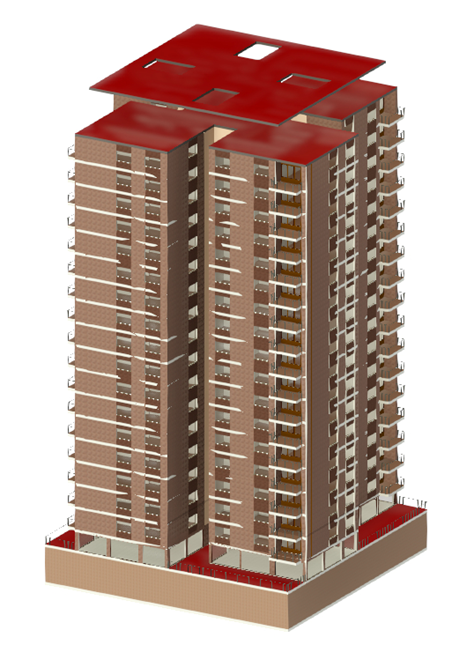
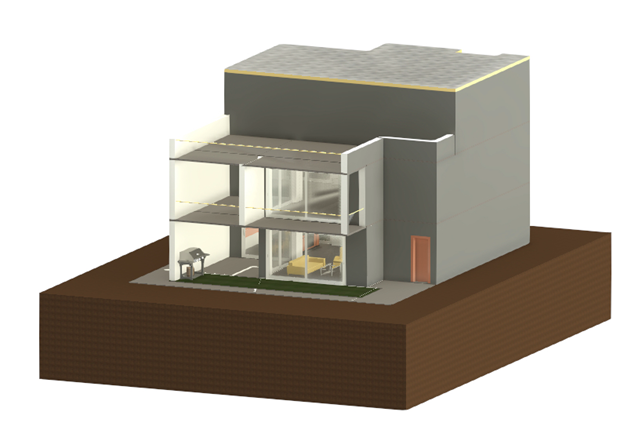
The digitized models to date include a residential building in Valencia, a house in Manchester, and another in Athens. For each case, the models incorporate data derived from architectural plans, such as location, orientation, spatial layout, and the positioning of elements like doors and windows. In addition, the thermal characteristics of each building have been documented, including the thickness and materials of floors, walls, slabs, and roofs, as well as thermal transmittance values (U-values), where available.
Furthermore, the models include data on occupancy (number of users and usage schedules), the power and usage patterns of lighting and equipment, and the specifications of air conditioning and renewable energy systems. This includes information on generator types, power ratings, and the performance of terminal units.
During this process, several common challenges in building digitization were encountered. These included a lack of original documentation, particularly in older buildings without updated or complete plans, difficulties in obtaining accurate thermal data due to unknown material compositions, and uncertainty regarding usage patterns, especially in the residential sector, where actual occupancy and energy use schedules can be hard to determine.
 When specific data was not available, efforts were made to retrieve it through follow-up building inspections. In cases where this was not possible, reference values from local regulations were used, such as the CTE in Spain, SAP 10.2 in the United Kingdom, or ASHRAE standards more broadly. This approach ensured consistency with national standards and supported the reliable calibration of the resulting energy models.
Follow us on: