

CEMOSA: Turning Building Data into Actionable Renovation Intelligence
As Europe seeks to accelerate the renovation of its building stock, one of the biggest challenges remains the fragmentation of information. Building data is often scattered across different sources, making it difficult for owners, facility managers and public authorities to make informed decisions about energy efficiency investments.
Within the EBENTO project, CEMOSA has played a key role in addressing this challenge by helping create the digital foundations that enable smarter renovation planning and building performance management.
Acting both as an end-user and facility manager, as well as a technical partner responsible for developing Building Information Modelling (BIM) models for several pilot sites, CEMOSA has contributed to transforming complex building data into practical tools that support renovation decisions.
“CEMOSA has participated in EBENTO both as an end-user and facility manager and as a technical partner in the construction of BIM models for the pilots in Spain, Greece and the United Kingdom”, explains its team.
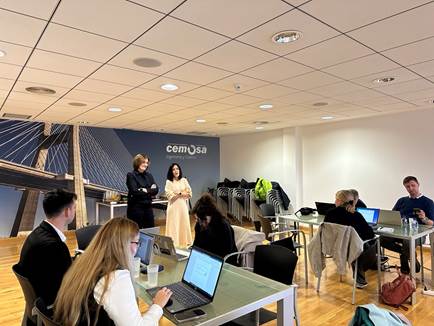
Figure 1. EBENTO Meeting at the CEMOSA Headquarters in Málaga.
Building the Digital Foundations of EBENTO
At the heart of CEMOSA’s contribution was the development of BIM models for several of the project’s pilot buildings.
These models provide a detailed digital representation of each building, including geometry, construction materials, HVAC systems and occupancy profiles. They serve as the foundation for the renovation simulations performed through the DSS4Ren module within EBENTO’s One-Stop-Shop (OSS) platform.
By creating accurate and information-rich BIM models, CEMOSA helped ensure that the platform could generate reliable renovation scenarios and calculate expected energy performance improvements.
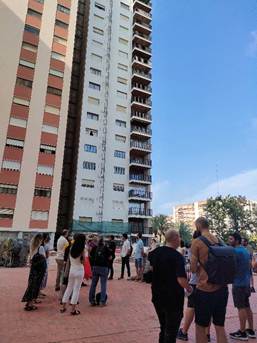
Figure 2. Valencia pilot site visit.
The company also actively participated in the validation and testing of the OSS platform, as well as in assessing its impact and replication potential.
For CEMOSA, one of the most important milestones came when the Valencia pilot was successfully integrated into the EBENTO platform.
“The implementation of the Valencia pilot within the EBENTO OSS platform represented the materialisation of technical specifications into a real tool.”
This marked the transition from conceptual design and modelling activities to the practical validation of a fully operational digital environment.
Bringing Together Disconnected Building Data
According to CEMOSA, one of EBENTO’s most significant achievements is its ability to centralise information that is traditionally fragmented across multiple sources.
Building managers often need to work with data from BIM models, energy certificates, sensors, monitoring systems and public databases, all of which are typically disconnected.
“Currently, one of the main obstacles to energy renovation in Europe is that this information is fragmented across multiple public and private sources.”
EBENTO addresses this challenge by integrating BIM models, real-time IoT sensor information, cadastral records and energy performance data into a single digital platform.
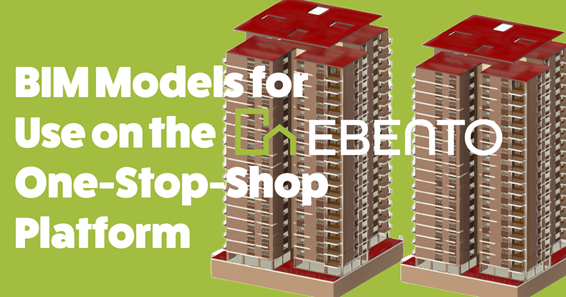
Figure 3. Building Information Modelling in EBENTO.
This creates a common environment where stakeholders can analyse a building’s current performance, explore renovation options and evaluate the potential outcomes of different interventions.
“EBENTO resolves this issue by centralising data and enabling actors such as facility managers, ESCOs and public institutions to visualise a building’s current energy status, simulate renovation scenarios and link the results to performance contracts within the same digital environment.”
For CEMOSA, this integrated approach has the potential to increase transparency, reduce uncertainty and build confidence among building owners and renovation stakeholders.
Beyond Traditional Building Management Systems
One of the most interesting aspects of EBENTO from a facility management perspective is how it expands the capabilities traditionally offered by Building Management Systems (BMS).
Conventional BMS platforms focus primarily on real-time monitoring and operational control. While valuable, they rarely provide tools for renovation planning, economic assessment or contract management.
The EBENTO OSS platform takes a broader approach.
“Traditional BMS systems are primarily oriented toward the real-time operational control of facilities, but they offer a limited vision regarding future scenario simulation, contractual management, or the integration of different building data sources.”
By combining BIM models, simulation tools, performance monitoring and Energy Performance Contracting mechanisms within a single platform, EBENTO provides a more comprehensive view of building performance.
“The EBENTO platform integrates these dimensions into a single environment, allowing not only monitoring but also renovation simulation, visualisation of the economic impact of improvements and management of associated performance contracts.”
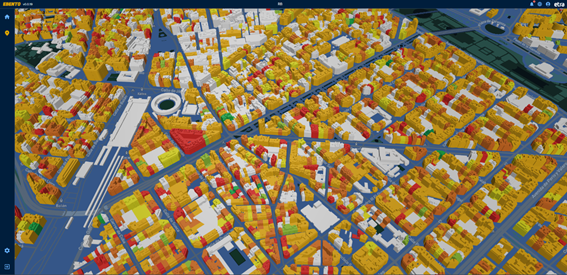
Figure 4. EBENTO One-Stop-Shop overview.
This holistic perspective has the potential to significantly enrich the way renovation projects are planned and managed in the future.
Lessons from Digitalising Buildings
Throughout the project, CEMOSA gained valuable insights into the challenges of building digitalisation.
One of the main technical difficulties involved ensuring that BIM models contained the information required by the platform’s simulation modules. This required multiple rounds of review and coordination with technical partners to align modelling requirements with simulation needs.
“The main challenge was integrating BIM models within the OSS platform while ensuring they contained sufficient information on materials, construction layers, HVAC systems and occupancy profiles to support reliable simulations.”
This experience reinforced one of the project’s key lessons: digital tools are only as effective as the data that supports them.
“One of the main lessons learned is the importance of having high-quality baseline data in order to make the most of digital tools.”
The availability, quality and standardisation of building information remain critical factors for successful digitalisation and renovation planning.
Recommendations for Future Projects
Based on its experience in EBENTO, CEMOSA recommends that future Horizon Europe projects invest significant effort in understanding pilot buildings from the earliest stages of development.
The company emphasises the importance of clearly identifying the information required by future tools and services before implementation begins.
“Characterising the pilots at a very early stage of the project and understanding from the outset the input data required by the different tools is essential.”
This early preparation can significantly improve validation activities, reduce implementation risks and maximise the value generated by pilot projects.
Expanding Energy Performance Services Beyond Traditional Contracts
Looking ahead, CEMOSA sees significant opportunities to build on the knowledge and tools developed through EBENTO.
The project has expanded the company’s perspective on building performance management, moving beyond traditional Energy Performance Contracts (EnPC) toward more integrated approaches that combine energy efficiency, comfort and digital monitoring.
“The EnPCs considered in EBENTO have made it possible to expand the scope of traditional contracts, incorporating not only energy saving guarantees but also comfort conditions, indoor air quality and demand response mechanisms.”
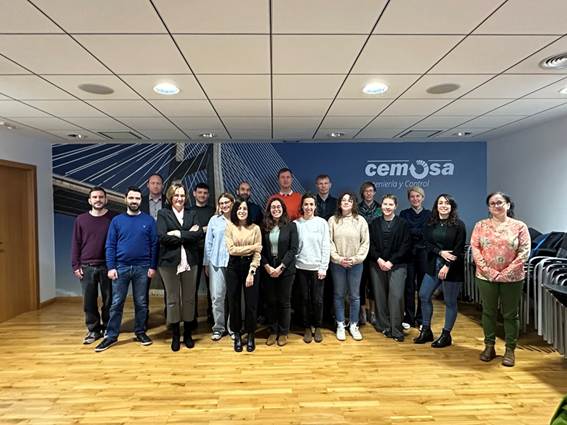
Figure 5. EBENTO consortium at the CEMOSA Headquarters in Málaga.
CEMOSA plans to explore how these concepts can be incorporated into its future service portfolio, allowing the company to offer new performance-based services supported by digital platforms capable of monitoring, verifying and managing contractual commitments.
The company also intends to transfer the expertise gained through EBENTO across different departments and continue participating in research and innovation initiatives focused on building energy efficiency.
As the renovation sector increasingly embraces digitalisation, CEMOSA believes that integrated platforms such as EBENTO will play a critical role in transforming how buildings are assessed, renovated and managed.
By connecting data, simulation and performance management within a single environment, the company has helped demonstrate how digital innovation can support more informed, transparent and effective renovation decisions across Europe.