

HYPERTECH: Building the Digital Backbone Behind EBENTO’s Renovation Intelligence Platform
When the EBENTO project was launched in 2022, one of its key ambitions was to simplify and accelerate building renovation decision-making through digitalisation, interoperability and data-driven intelligence. Achieving this vision required more than innovative tools—it required a robust technical foundation capable of connecting data, simulation models and user-oriented services within a single ecosystem.
This is where HYPERTECH partner played a pivotal role.
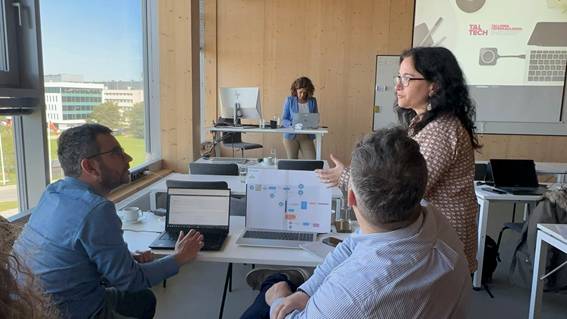
Figure 1: HYPERTECH, METLEN and ETRA partners in an EBENTO meeting.
As EBENTO’s Technical Coordinator, HYPERTECH led the design and implementation of the project’s technical backbone, helping transform a complex set of requirements, use cases and business scenarios into a scalable and interoperable One-Stop-Shop (OSS) platform. Through its work on system architecture, digital twins, data management and renovation decision support, the company helped create the technological framework that underpins the entire EBENTO ecosystem.
“We applied a thinking-by-design approach by starting from users, use cases and business scenarios rather than from isolated technical modules. This ensured that the OSS evolved as a modular system grounded in real workflows rather than purely technical assumptions.”
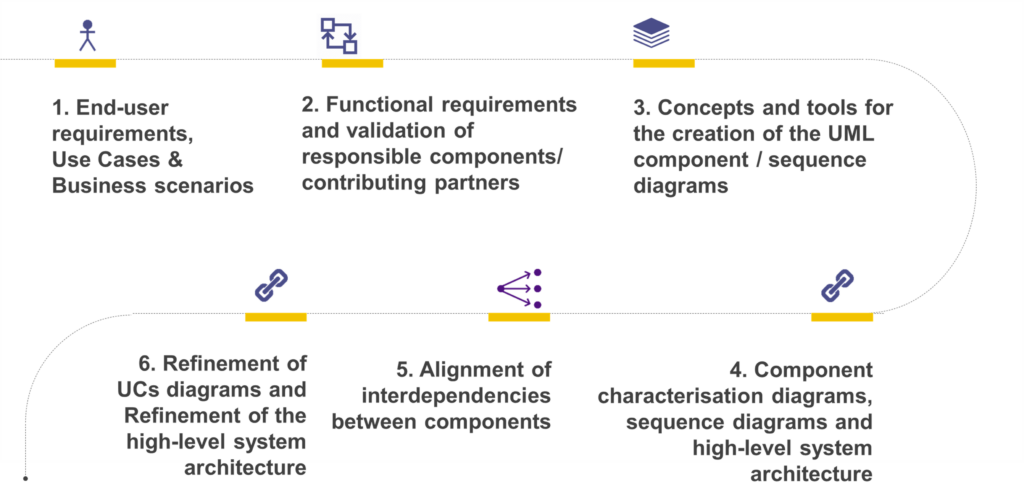
Figure 2: Methodology for defining the EBENTO system architecture.
From Concept to Functioning Platform
For HYPERTECH, one of the most significant moments during the project was the transition from conceptual design to implementation.
The architecture definition process was developed through a series of iterative steps involving user requirements, functional specifications, UML modelling, component interdependencies and continuous consortium feedback. This collaborative process allowed all technical partners to align their developments around a shared vision.
According to HYPERTECH, a major milestone was reached with the successful completion of the Digital Twin, Common Data Environment (CDE) and DSS4Ren prototypes.
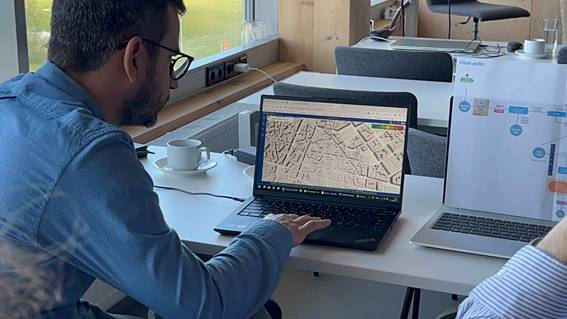
Figure 3: Nicolas Stathopoulos of HYPERTECH testing the EBENTO OSS.
“This demonstrated that EBENTO was no longer only a system concept, but a functioning technical environment capable of supporting renovation assessment through BIM, simulation and KPI-driven decision support.”
Making Complex Renovation Decisions Simpler
One of the most impactful outcomes of EBENTO has been the integration of the BIM-based Digital Twin framework, the Common Data Environment and the DSS4Ren renovation assessment module.
Building renovation projects often face a common challenge: information is scattered across multiple tools, formats and stakeholders, making decision-making slow and inefficient. HYPERTECH’s work addressed this challenge by creating a structured digital environment where building information can be collected, managed and transformed into actionable insights.
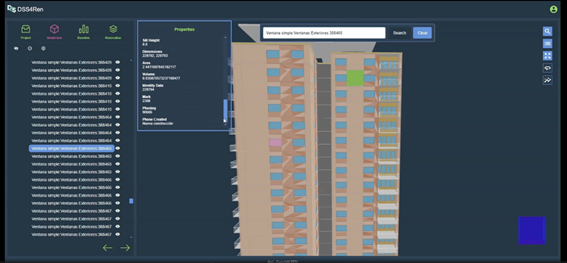
Figure 4: Overview DSS4Ren module, part of the EBENTO OSS.
The Digital Twin framework combines static BIM data with dynamic information such as energy performance, indoor environmental conditions and weather data. At the same time, the Common Data Environment ensures that information can be stored, processed and shared consistently across different components and stakeholders.
“Instead of keeping geometry, materials, HVAC systems, energy data, indoor conditions and weather information in disconnected files or tools, EBENTO’s Digital Twin framework brings them together within one structured representation.”
The result is a more integrated and transparent renovation process, where users can evaluate different renovation strategies based on clear performance indicators.
Turning Advanced Simulation into Practical Decision Support
Another key achievement has been the development of DSS4Ren, EBENTO’s Renovation Decision Support module.
Rather than requiring users to interact directly with complex simulation engines, DSS4Ren guides them through a simplified workflow. Users can review a building baseline, select renovation measures, generate alternative scenarios and compare resulting energy, comfort and economic performance indicators.
For HYPERTECH, this user-oriented approach represents one of the project’s greatest strengths.
“Simulation tools create far more value when they are embedded in a guided user workflow, with clear KPI outputs and intuitive interfaces, rather than being treated as standalone expert applications.”
By translating sophisticated technical analyses into understandable recommendations, DSS4Ren helps bridge the gap between engineering expertise and real-world renovation decision-making.
Lessons for Future European Innovation Projects
The journey was not without challenges. Bringing together diverse pilot sites, technical modules, user expectations and national contexts into a single coherent architecture required continuous coordination and refinement. HYPERTECH addressed these challenges through an agile development approach supported by technical workshops, use-case discussions and iterative architecture reviews.
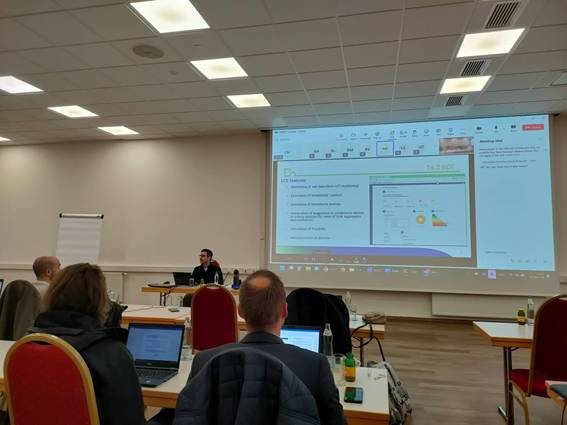
Figure 5: Nicolas Stathopoulos of HYPERTECH presenting the EBENTO OSS.
One of the main lessons learned was the importance of establishing a common understanding of data flows, responsibilities and user needs from the very beginning.
“Technical scalability starts with methodological clarity. Before building advanced services, the consortium needed a shared understanding of use cases, actors, data flows and dependencies.”
The team also emphasises the importance of investing early in a common data layer, which can significantly reduce integration and validation challenges later in the project lifecycle.
Looking Beyond EBENTO
Although the project is reaching its conclusion, HYPERTECH sees EBENTO as a starting point rather than an endpoint.
The knowledge, methodologies and technologies developed throughout the project are already informing the company’s future work in digital renovation services, building intelligence solutions and performance-driven energy management.
In particular, the Digital Twin framework, Common Data Environment and DSS4Ren concepts provide a strong foundation for next-generation services that combine interoperable building data, simulation-based assessment and user-friendly decision support.
As Europe continues to accelerate the renovation of its building stock, HYPERTECH believes that integrated digital ecosystems such as EBENTO will become increasingly important.
“The project has created a strong basis for solutions that combine interoperable building data, simulation-driven assessment and user-oriented interfaces.”
By helping transform fragmented building information into actionable renovation intelligence, HYPERTECH has contributed to one of EBENTO’s central ambitions: making smarter, data-driven building renovation accessible and scalable across Europe.