

Divergent Progress Across EU Member States in Implementing the Energy Performance of Buildings Directive
2 September, 2025
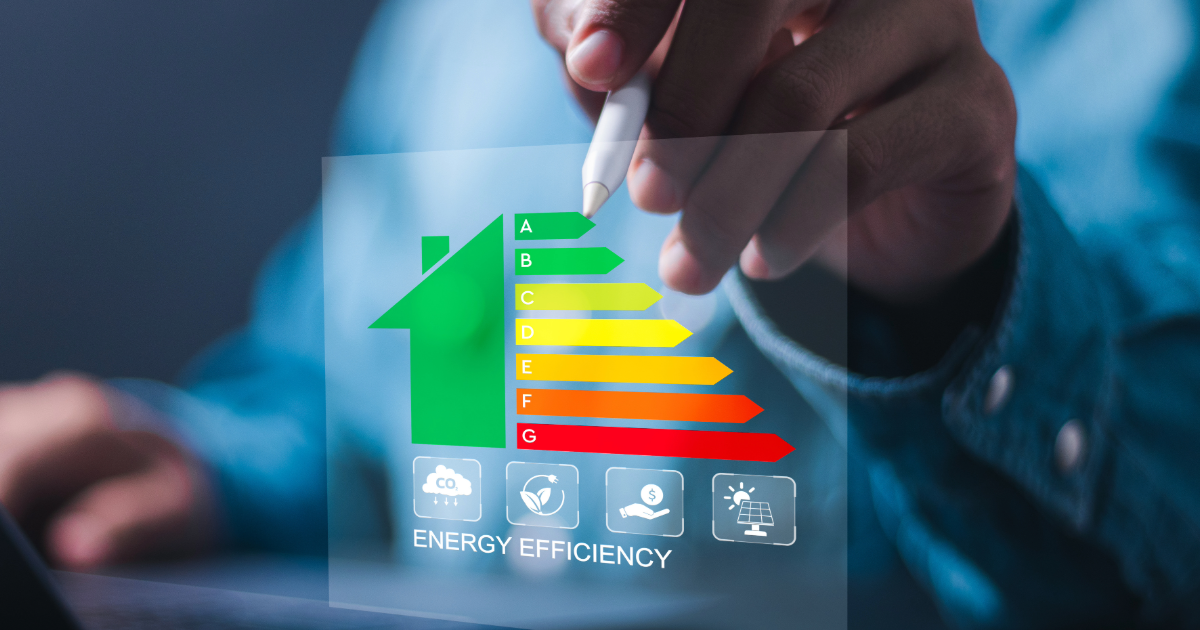
According to the European Commission’s 2023 assessment, Member States are making uneven progress in implementing the Energy Performance of Buildings Directive (EPBD). Although 2030 targets have been established, gaps in building renovation rates and emissions reporting pose challenges to achieving the EU’s climate objectives. The report emphasizes the need for national strategies to be fully aligned with the EU’s overarching climate goals.
The new report, “Updates on the Energy Performance of Buildings Directive implementation in the EU Member States”, reviews current progress in building energy efficiency and offers insights into potential future savings and emission reductions. Since 2005, the EU has achieved notable reductions in residential and service sector energy use, partly due to efficiency gains, higher energy prices, and milder winters. However, renovation rates remain too low, typically ranging between 1.5% and 3% per year, which is insufficient to meet 2030 objectives.
Long-Term Renovation Strategies (LTRSs) project a 14% cut in final energy use and a 35% drop in direct emissions by 2030, though these targets still lag behind the EU Climate Target Plan. Monitoring is further complicated by data gaps, as only some countries provide complete figures on energy use and emissions.
The report highlights that some countries, such as Croatia and Cyprus, are performing better than expected, while others—including Hungary and the Netherlands—are struggling to keep pace.
The report also highlights Energy Performance Certificate (EPC) schemes, which vary widely across Member States, limiting comparability. While about 70% of Member States base EPCs on energy indicators, the lack of standardisation makes cross-country comparisons difficult. Around 20% of countries have replaced regular inspections with alternative measures, but few have provided evidence of their effectiveness.
The Energy Performance of Buildings Directive (EPBD) is central to the EU’s strategy to achieve a fully decarbonized building stock by 2050, working in synergy with the Energy Efficiency Directive, the Renewable Energy Directive, and the Governance Regulation. The 2024 recast EPBD is designed to accelerate improvements in energy performance, align building policies with the European Green Deal, and support the Climate Target Plan.
Recommendations from the Report
The Commission calls for more ambitious and harmonized national renovation plans, stronger data collection, and a consistent methodology for assessing building performance across the EU.
Looking Ahead
If existing national plans are fully implemented, the EU could achieve a 14% reduction in final energy use and a 35% cut in direct building emissions by 2030. However, these figures still fall short of what is needed for the EU’s long-term climate neutrality target. The forthcoming National Building Renovation Plans, due in 2025, are expected to raise ambition levels and help bring Member States closer to the 2030 and 2050 goals.
Read the full report here: https://build-up.ec.europa.eu/en/resources-and-tools/publications/updates-energy-performance-buildings-directive-implementation-eu
Follow us on: