

Key Milestones and Final Steps Outlined at the EBENTO General Assembly in Graz
November 7, 2024
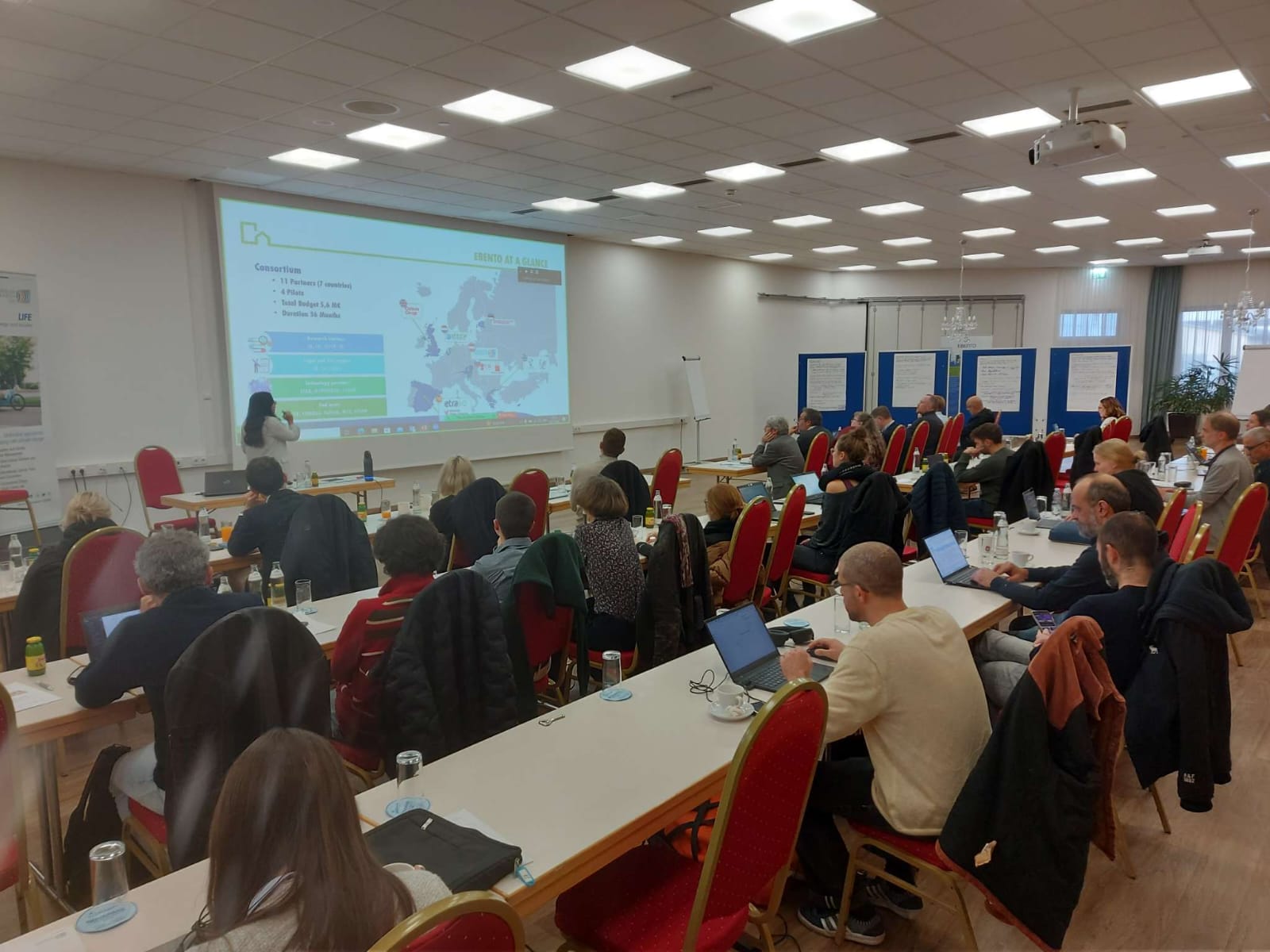
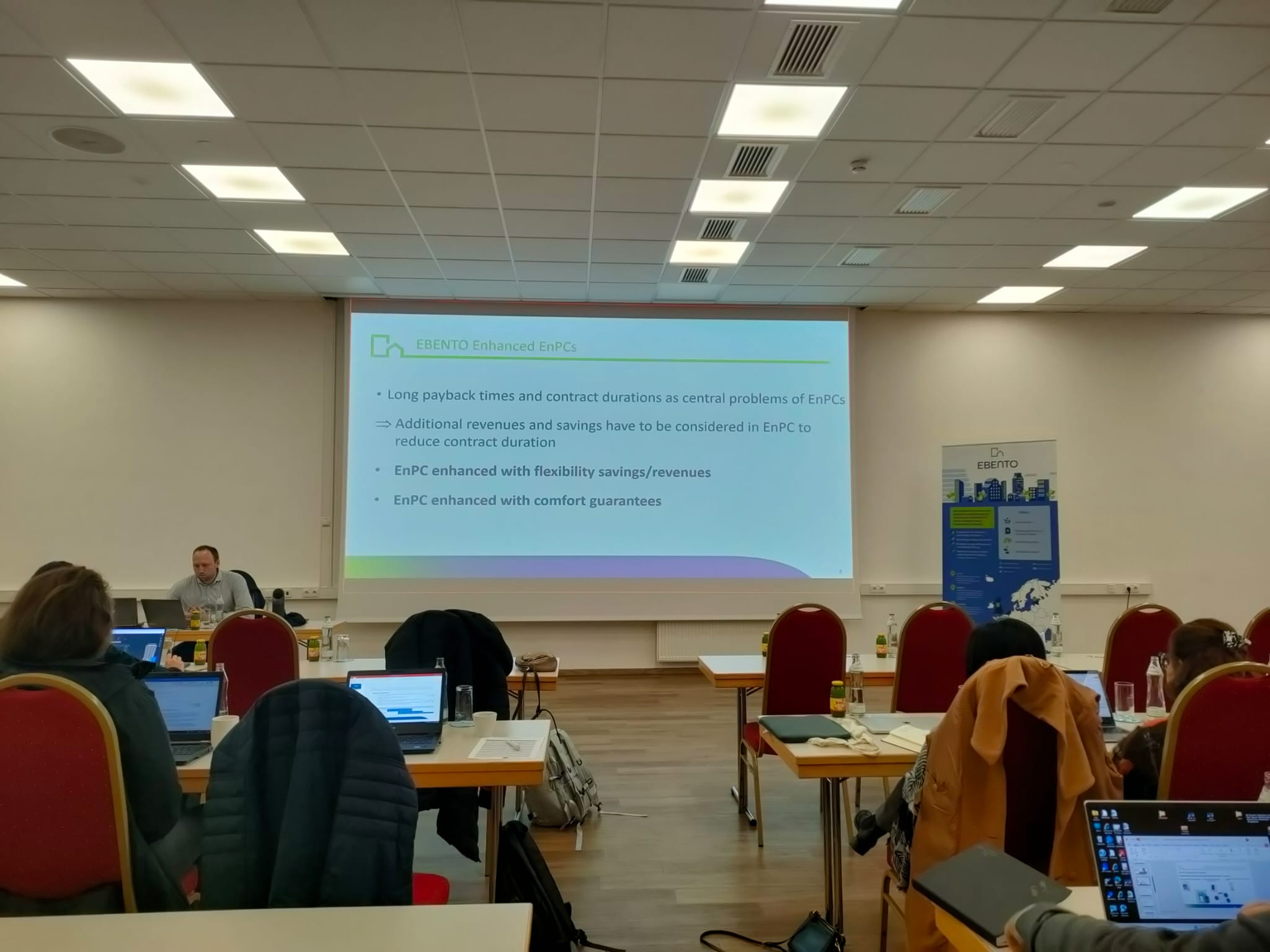
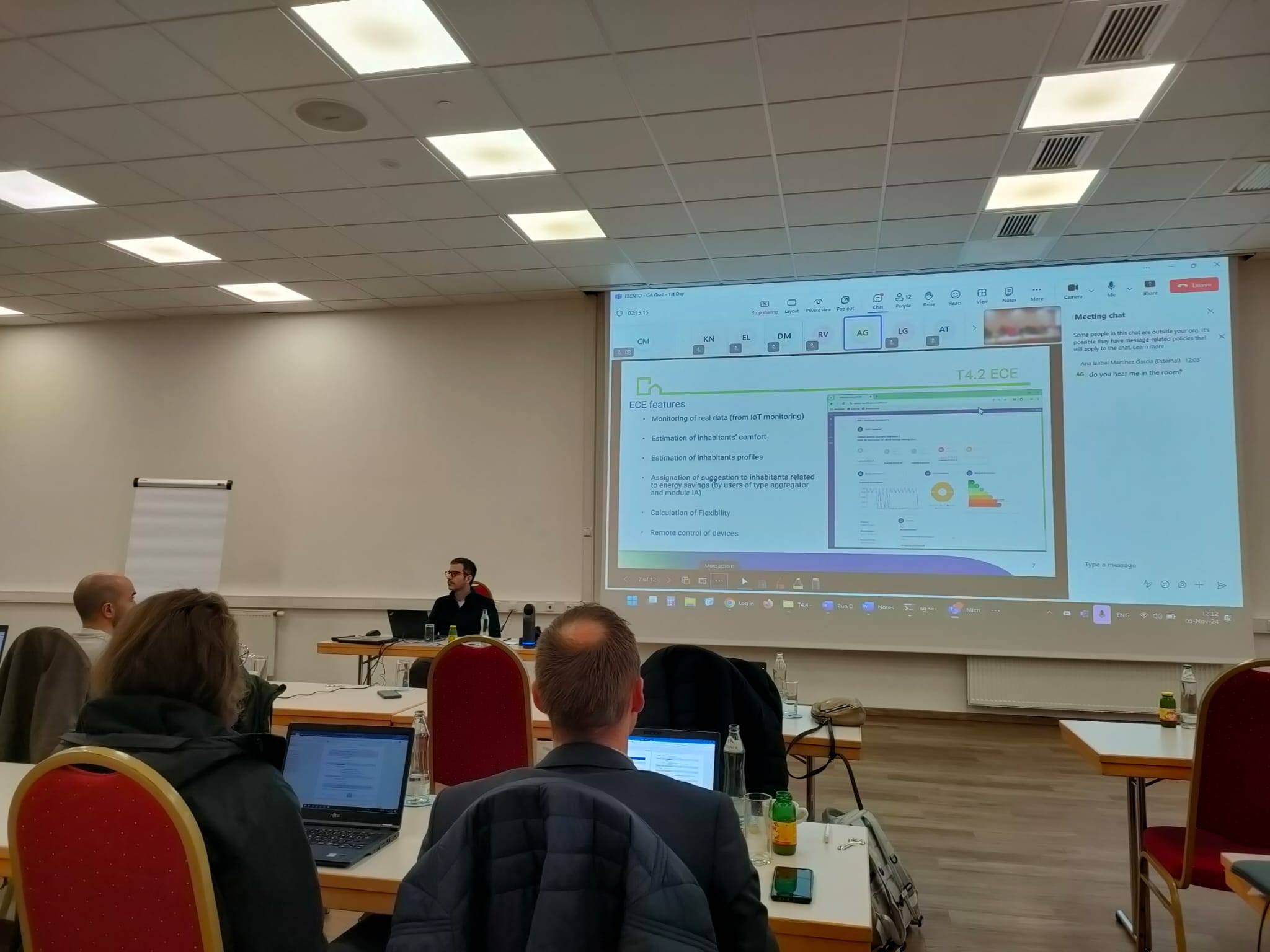
On November 5-6, the EBENTO consortium held its 4th General Assembly in Graz, hosted by Joanneum Research. This meeting marked a pivotal moment in the project, as several major tasks concluded and new priorities were set for the final phase. Project partners also had the opportunity to view demonstrations of various components of the open-source EBENTO One-stop-shop platform (OSS), showcasing the progress made so far.
In recent months, EBENTO has achieved significant milestones that are essential for its mission to enhance Energy Performance Contracting (EPC) models and promote energy efficiency in building renovations:
- Performance-Based Business Models: The consortium finalized the development of performance-based business models, exploring innovative frameworks designed to strengthen EPCs and enhance financial guarantees. This work provides a solid foundation for the broader impact of EBENTO’s objectives.
- EBENTO Platform and EPC Integration: The structure of the EBENTO OSS platform and its integrated EPC functionalities have been defined, setting a clear roadmap for platform development and deployment.
- Software and Algorithm Requirements: All necessary software and algorithm requirements for the OSS platform’s smooth operation were identified and documented, ensuring that technical foundations are firmly in place.
The impact assessment, monitoring, and replication work has begun, so the partners discussed the priorities for the coming months. These tasks aim to assess technical and socio-economic impacts, communicate key non-confidential results, establish a framework for result verification, and explore potential replication.
The General Assembly also focused on planning the upcoming work in the EBENTO pilot projects. Each pilot is essential to testing and validating the platform in real-world scenarios. Key actions defined include the latest updates on device installations were reviewed, a discussion of the Key Performance Indicators (KPIs) and use cases critical to achieving the project’s goals, and real renovation scenarios and measures gathered from pilot sites are being incorporated. Valencia, as the lead pilot, has taken a proactive role in establishing guidelines for citizen engagement. This strategy will be rolled out across other pilot sites, fostering active community involvement and awareness.
Given the importance of the OSS platform to the project’s success, the partners agreed on creating a series of demo videos to introduce the platform’s different modules. Plans for webinars and a user manual are also underway, ensuring that end-users and stakeholders have the tools and knowledge needed to make full use of the platform.
As the project moves closer to completion, an update to the exploitation plan has been scheduled. This update will clarify how partners intend to leverage the innovations and insights generated, paving the way for widespread application of EBENTO’s tools and solutions.
Following its internal meeting, the EBENTO project took part in the EXCESS project’s final event – Policy Session, where the project coordinator highlighted EBENTO’s key achievements, shared insights from pilot site experiences, and explained how the new socio-economic impact assessment will support policy objectives. The EXCESS project exemplifies how nearly-zero energy buildings can be converted into positive energy buildings, paving the way for a sustainable future.
The 5th General Assembly has been a turning point for EBENTO, defining clear steps to complete the project. With the final tasks and outreach strategies set, the EBENTO team is well-prepared to make a lasting impact on energy performance contracting and building renovation across Europe.

Follow us on: